My story

I fell in love with directing right at the start of my career. In fact, the first dance film I ever directed was also my first commission for The Royal Ballet. It featured Eric Underwood and Clare Calvert, the brief was create something inspired by Leda and the Swan. I went to The National Gallery archive to see the painting, and realised it's essentially about sexual violence. It was a complex one to start with. I called it The Indifferent Beak. I was seventeen.

At the beginning, I was negotiating the balance between choreographing movement and directing it. Looking back, I can see how carefully I framed everything. It wasn't until Goldfish that I stopped trying to make the choreography do all the work and started understanding what the camera could contribute.

I'll probably talk about Goldfish for the rest of my life because it completely changed how I tell stories. Originally titled Generation Goldfish, it was a forty-minute work created for the Bayerisches Staatsballett in Munich. I remember sitting through the premiere, watching a piece about attention spans, and thinking, this needs to be a film. That instinct wouldn't leave me.

When I came to adapt it a year later, I wasn't precious about preserving the choreography exactly as it had appeared on stage. I became fascinated by the choreography of the camera instead: how it moves, what it withholds, where it asks you to look, and how all of that can tell the story just as much as the dance can.

Even when I was making live work, I kept imagining it cinematically. I couldn't switch that part of my brain off. I feel everything quite intensely — I suspect most artists do — and film gives me permission to heighten those senses.

I have an entire notebook full of ideas. Some have made it into treatments, most still live in my very optimistic 'one day' folder. I never went to film school, and I'm glad I didn't. Learning by making, getting things wrong, and following instinct has given the work an outsider's curiosity that I hope never disappears. It keeps me looking for possibilities.

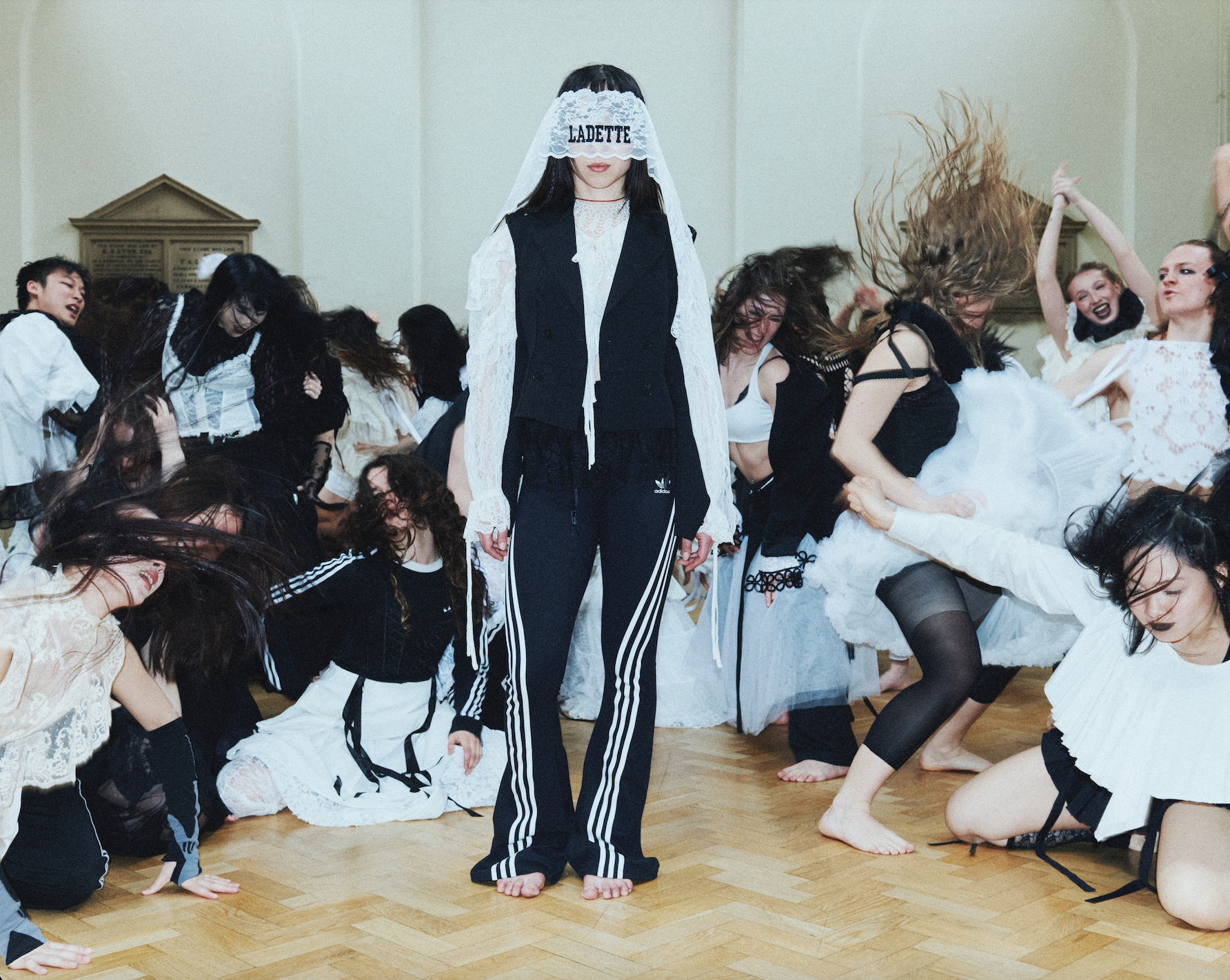
  • LADETTE

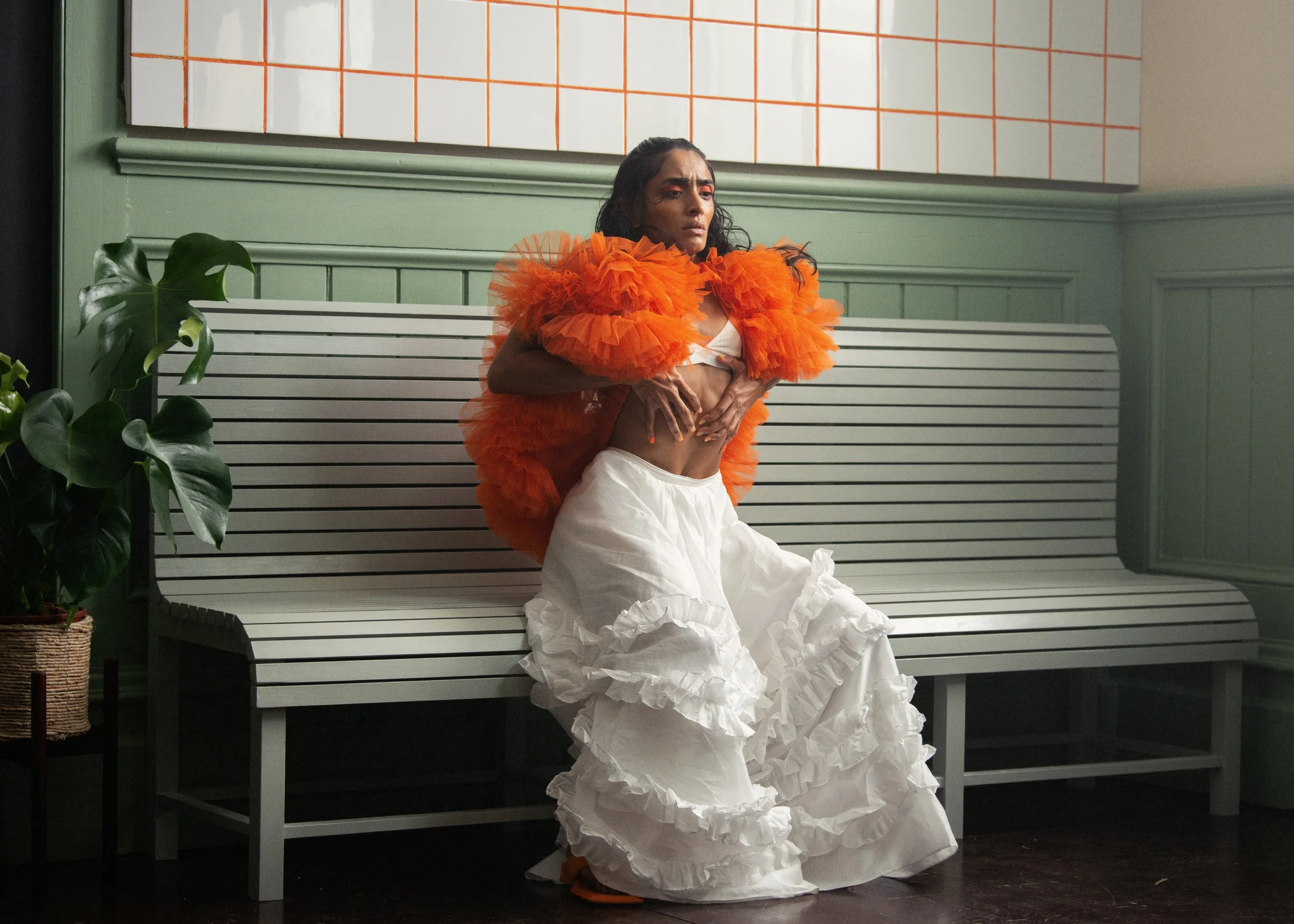
    Ladette embodies the messy, magnetic contradictions of modern British womanhood. Inspired by the ladette phenomenon of the 1990s, when young women adopted the swagger, excess, and unruly confidence of lad culture.

  • CAMEO SERIES 1

    Choreographer Charlotte Edmonds expands discussion around dance in a new interview series featuring Holly Blakey, Julie Cunningham and Julia Cheng

  • CAMEO SERIES 2

    Exploring the essential skills and tools that have helped three artists build their success, choreographer and director Charlotte Edmonds unpacks the practical aspects of the dance industry for Series Two of Cameo – with Blue MakwanaChandenie Gobardhan and Eve Stainton.

  • I AM MER-LIN

    The film is an artistic discovery of identity, leaning into the mythology of Merlin and wizardry, and demons as a metaphorical reflection of the choices we make that sculpt us as individuals. This marks director and choreographer Charlotte Edmonds' first film for Northern Ballet.

  • GOLDFISH

    Goldfish is a mediation on issues surrounding mental health, sensory overload and distraction in the modern world.

  • TEN MILLION TONNES

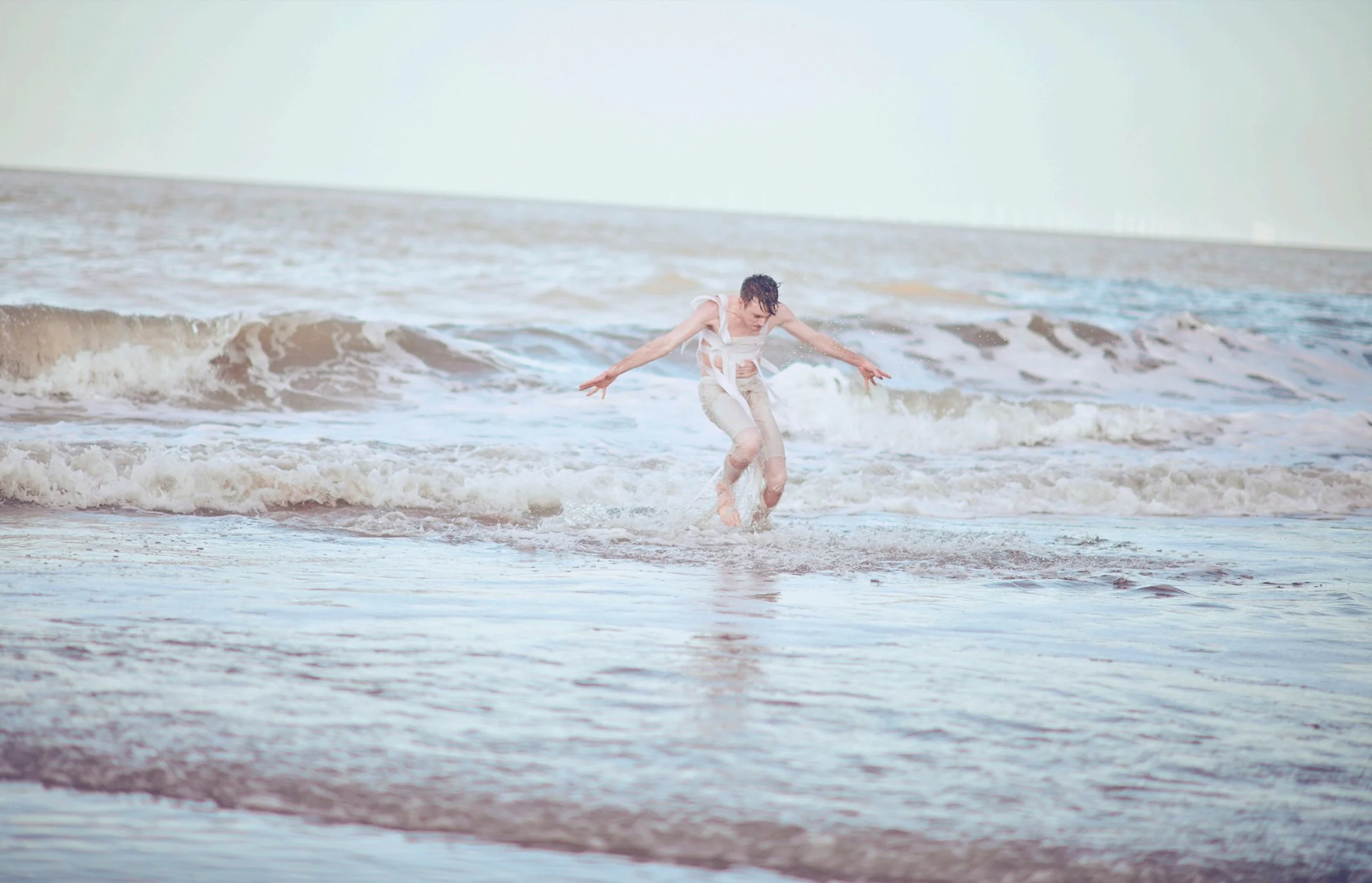
    Using dance as a medium to personify the physical and emotional state of a marine life, Ten Million Tonnes hopes to raise awareness about the struggle to survive in a world full of plastic.

  • SAINT

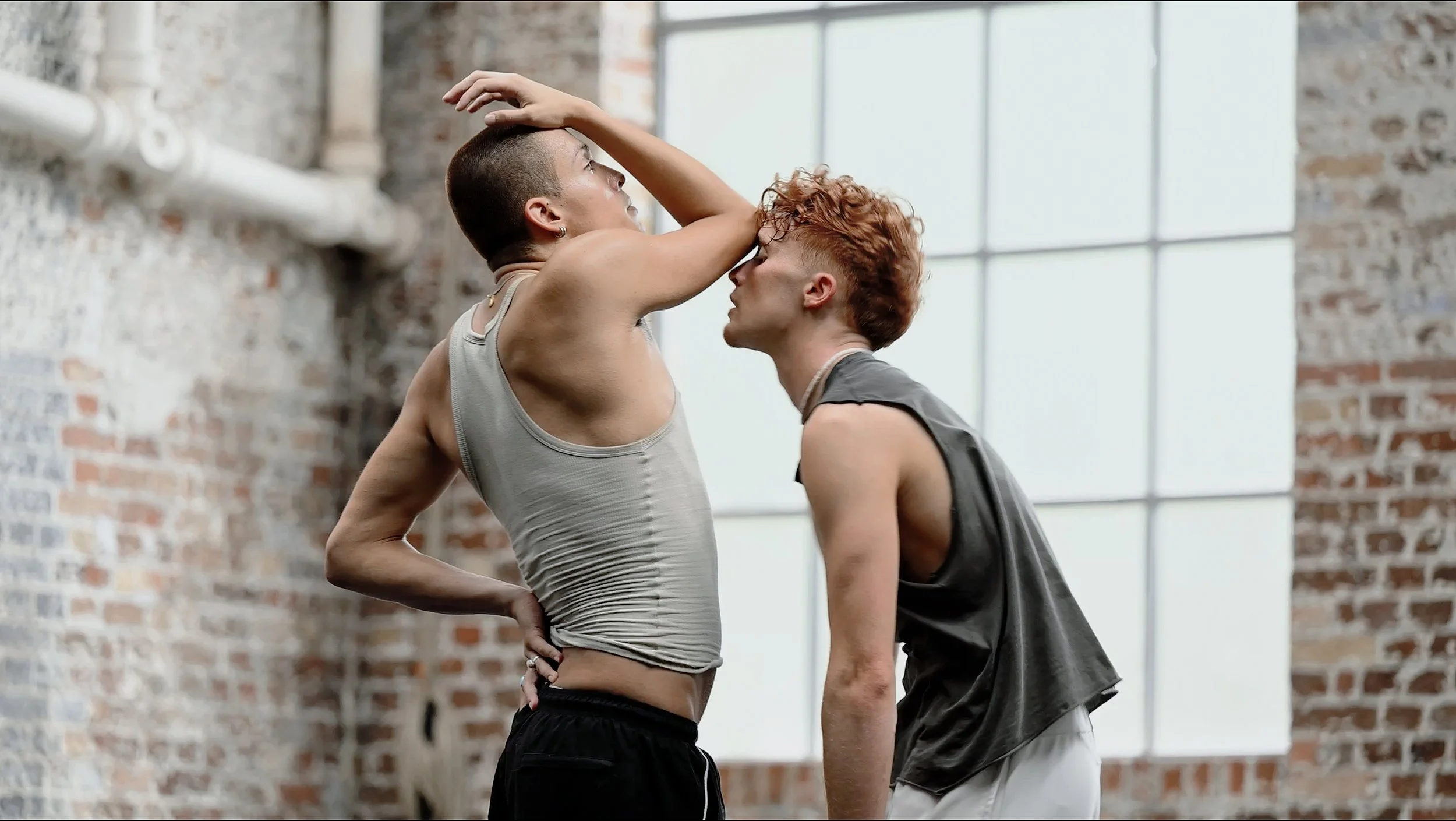
    SAINT delves into the themes of risk and vulnerability within human connections, drawing inspiration from The Beautiful Brain by Santiago Ramón y Cajal.

  • SINK OR SWIM

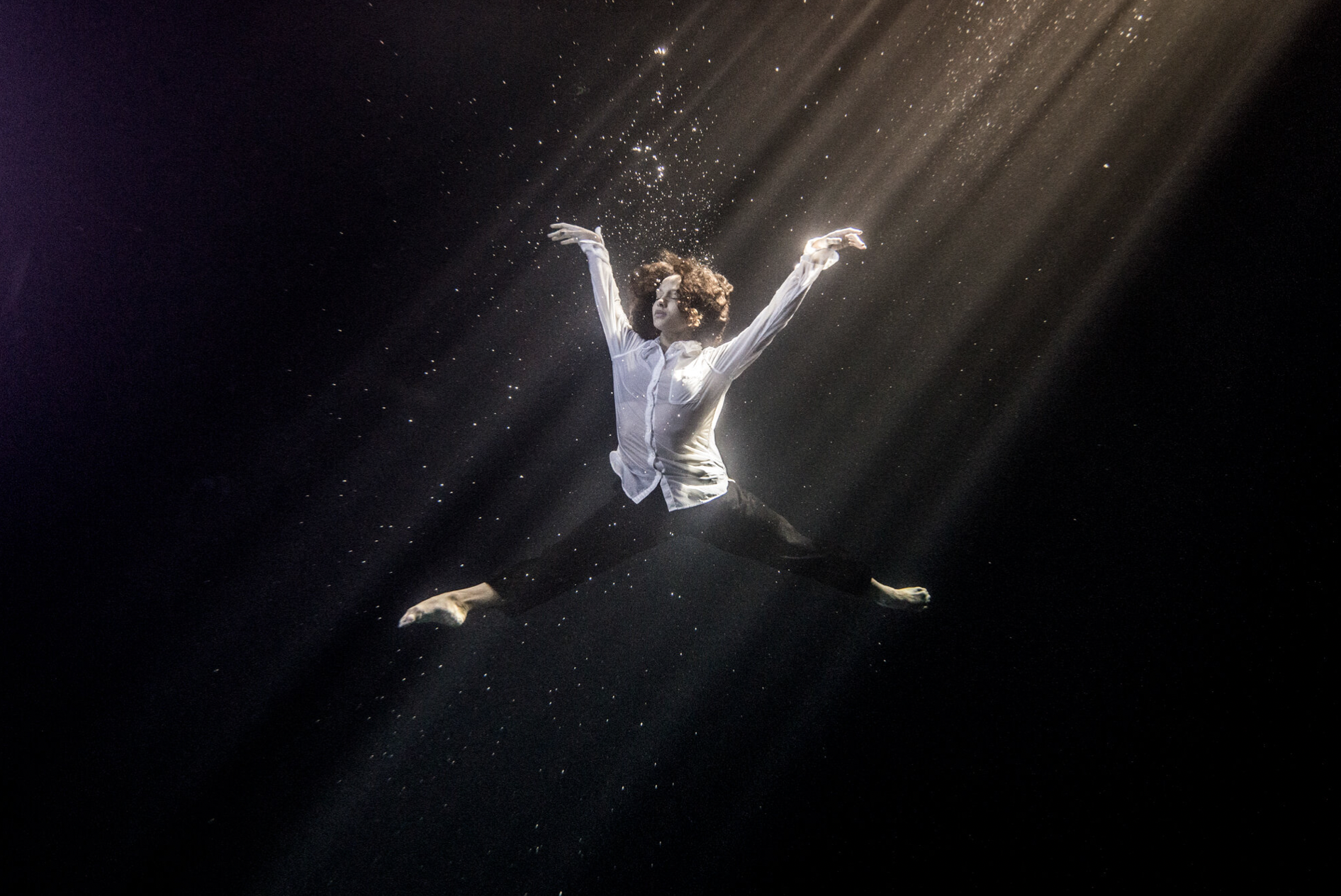
    Sink or Swim is a poetic depiction of depression through underwater ballet. Delving into the mind of someone in the depths of depression battling to keep their head above water.